What Are the Early Warning Signs of a Poor Workplace Culture?
Culture problems usually start with smaller changes that are easy to miss at first.
People may stop raising concerns as readily as they once did. Managers start handling similar situations differently. An employee who used to contribute ideas becomes quieter. Behaviour that would previously have been challenged starts being accepted.
By the time a leader sees something more obvious, such as an increase in people leaving, complaints and formal grievances, increased absence or performance concerns, employees may have been noticing these smaller changes for quite some time.
One of the challenges with workplace culture is that leaders and employees don't always experience the business in the same way. Employees see what happens in everyday conversations and interactions and how managers behave differently given the same or similar situations. They also watch closely to see what happens when somebody raises a concern. But typically, senior leaders only become aware of an issue when it reaches them directly, often in the form of customer complaints.
This post is for: SME owners and managers who want to recognise culture problems before they become harder to address.
You’ll leave with: some of the early signs worth paying attention to and practical ways to find out what’s really happening.
This post is not: a guide to creating company values or running an employee engagement survey.
If you want something more specific, these may help:
Culture Is Set in the Moments Leaders Don’t Address
Nice Culture vs Healthy Culture - Why the Difference Matters
Leadership Silence and Culture: What Teams Hear When Nothing Is Said

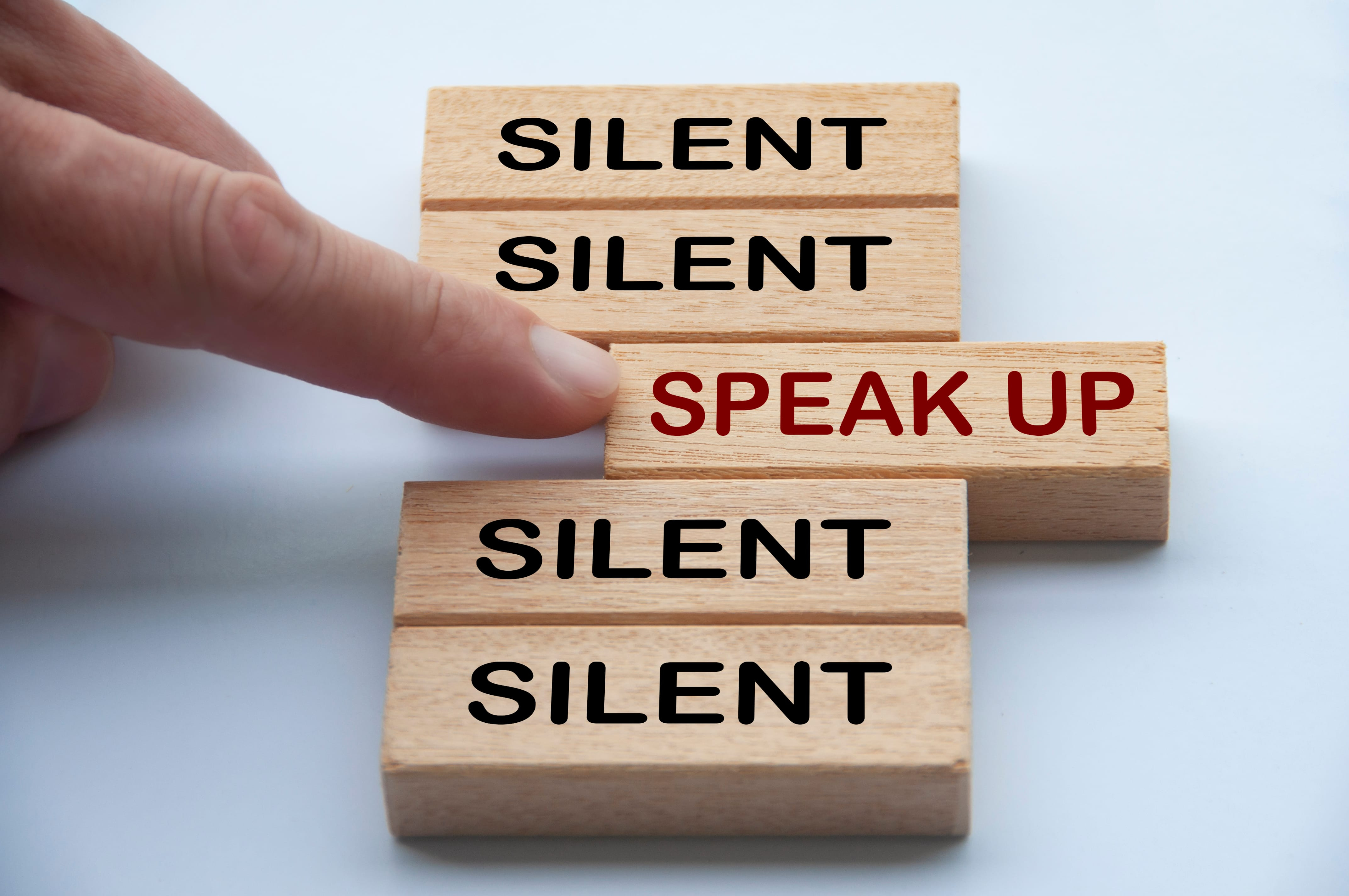
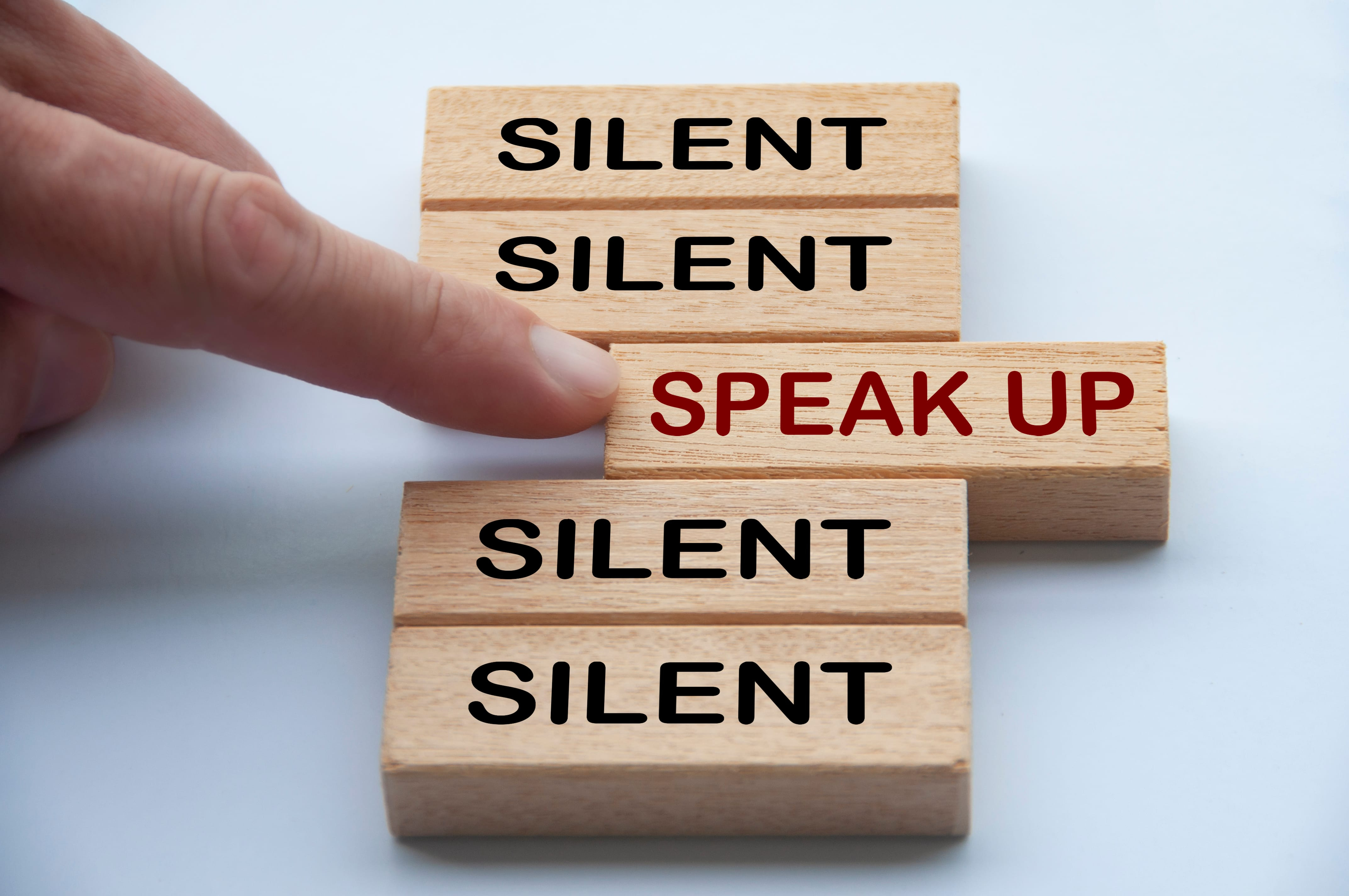
People stop telling you what they really think
One of the first things worth noticing is not simply what employees are saying, but whether they’re saying as much as they used to.
In a healthy working environment, people will usually raise the occasional concern, question a decision, point out when something isn't working or suggest a better way of doing something. These are great examples of a healthy culture where people believe there's some value in saying what they think when they need clarity or can see an opportunity for improvement.
When that starts to change, it can be easy to misread. There may be fewer complaints, fewer challenges in meetings and fewer questions about decisions which on the surface, can feel positive. But not always, as sometimes people have simply decided that it isn't worth raising these things anymore.
Some CIPD research, published in 2019, describes employee silence as choosing not to speak up despite having something to say. It found that around a quarter of employees report high levels of silence and it notes that people may stay quiet because they don't think speaking up will make a difference. A systematic review of research into employee silence, published in May 2025 in Psychology & Health, also found that leadership, culture and the wider working environment influence whether employees choose to speak up.
So for a business owner, when “no-one is complaining” it’s not always enough to tell you that everything is fine. It can be more useful to think about whether people still raise awkward questions, disagree respectfully or tell managers when something isn't working.
Managers start handling similar situations differently
As a business grows, managers naturally make more decisions without involving the owner every time. That's part of building management capability but it can also expose gaps in clarity around expectations and policy.
When there’s a sensible reason for different treatment and this can be clearly explained to employees, this is perfectly reasonable and fair. Different circumstances can justify different decisions, so consistency doesn't mean treating every employee identically.
But employees notice these differences because they observe how team members are treated and they talk to one another. They often have a much clearer view of the variation between managers than the leadership team does. And over time, that can affect their confidence in how decisions are made because what they see is that decisions are based on who they're managed by rather than consistent policy.
If managers are being given more freedom to make decisions as the business grows, they also need enough guidance to make those decisions well.
Behaviour that used to be challenged starts being accepted
Employees don't just judge culture by what the business says in its values statements or policies. They also notice what happens when somebody's behaviour falls below the expected standard.
Some examples might be a manager regularly speaking bluntly to people when under pressure or the constant interrupter, the classic strong performer whose poor behaviour is overlooked. Any one of these situations may be fairly minor on their own but if they're allowed to happen repeatedly without being addressed, that’s when it becomes a problem.
People then start to understand what’s actually acceptable in the business.
That’s why what leaders and managers address matters. If something important is repeatedly ignored, employees can reasonably assume that it isn't really a priority.
Good employees become less involved
An employee can continue doing their job well while becoming less involved in everything around it. They may stop offering ideas, contribute less in meetings, show less interest in solving wider problems or become less willing to take on something outside their immediate responsibilities. These are signs that they may have become less engaged in their work but because the work is still being done, that change can be missed.
Of course, there can be many reasons for it: workload, personal circumstances, changes to the role or somebody thinking about their next career move could all play a part. It would be a mistake to assume that every time an employee becomes quieter, that they have become unhappy with the culture. But where somebody's level of involvement has changed noticeably, it’s worth asking what has changed for them rather than waiting until their performance drops or they resign.
The 2025 systematic review and meta-analysis in Psychology & Health looked at 84 studies involving nearly 35,000 people and found that greater employee silence and lower employee voice were also associated with higher levels of burnout. The research shows an association rather than proving that one causes the other, but it’s another reason not to dismiss a reduction in employee voice as insignificant.
So if someone who was previously engaged and vocal starts to hold back, that change in itself can be an early sign worth noticing, even if their performance hasn’t changed.
The same frustrations keep coming up
Another useful sign is when the same problem appears repeatedly in slightly different forms. Lack of clarity about decisions, people being unaware of changes, failures to follow through on agreed actions and complaints about workload. These are all quite common frustrations that are often dealt with individually and then forgotten. In a busy SME, there’s nearly always something more immediate competing for attention.
If several employees are raising different versions of the same concern, there may be something in the way the business is working that needs attention. So, it’s useful to stand back now and again and consider whether the individual issues have something in common that needs to be addressed. Which isn’t to say that every recurring frustration is a culture problem, just that they might be worth looking at collectively.
People gossip amongst themselves
Employees will always have informal conversations with other team members: comparing experiences, talking about decisions and occasionally complaining about work and their managers. This is entirely normal. But it becomes more concerning when those conversations are the only place where people are being honest.
You may start to hear comments such as “there's no point saying anything”, “we've raised it before” or “that's just how things work here”.
Those comments are worth paying attention to because they suggest the issue isn't simply whether employees have a way to speak up. It is whether they believe anything useful happens when they do.
Effective employee voice relies on managers listening and responding to feedback, not simply providing a channel through which people can give it. It’s sometimes easier to let a decision go undiscussed rather than face the discomfort of explaining an unpopular decision. But failing to do so creates bigger and more lasting problems. Explaining the decision and acknowledging the concern lets people know their feedback has been heard and just might encourage them to get more involved and share more feedback in future.
The signs worth remembering
Resignations, grievances, serious conflict and falling performance are clear signs of a poor culture. The earlier signs when people stop speaking freely or holding their ideas back, managers handle things differently or poor behaviour goes unchallenged for example, are worth looking out for.
Spotting those changes doesn't mean there’s a major culture problem every time somebody has a quiet week or disagrees with a decision, but when individual examples start to become a pattern, it’s worth noticing and doing something about it.
For a growing SME, that’s particularly important, because working practices that were manageable when the team was smaller can become established habits as more people and managers join the business. Employees are often close enough to see those changes as they happen. The challenge for leaders is making sure they’re hearing enough of what employees are seeing to recognise them too.
Disclaimer
This article is for general information and practical guidance. It isn't legal advice. Where concerns involve bullying, harassment, discrimination, whistleblowing or another potentially serious workplace issue, employers should consider whether specific advice or a formal process is needed.
